Science
Intent
At the Queens’ Federation we aim to foster ‘Learning for Life.’
We will provide a rich, relevant and inspirational curriculum that promotes a lifelong love of learning and equips our pupils with the key knowledge and understanding, skills and personal qualities that they will need to thrive in a rapidly changing world. Our curriculum is designed to be relevant to our children and is linked to the context of our school and the local community.
At the Queens’ Federation, it is our aim to provide a high quality science curriculum that provides pupils with a strong understanding of the world around them whilst acquiring specific skills and knowledge to help them think scientifically and develop scientific enquiry skills. Our curriculum will enable pupils to become enquiry based learners collaborating through researching, investigating and evaluating a wide range of experiences.
Pupils will be encouraged to understand how science can be used to explain what is occurring, predict how things will behave and analyse causes. It will provide opportunities for the critical evaluation of evidence and rational explanation of scientific phenomena as well as opportunity to apply wider curriculum knowledge to their understanding of science, including collecting, presenting and analysing data. Pupils will be immersed in scientific vocabulary, which supports the acquisition of scientific knowledge and understanding.
Implementation
Encouraging children to ask questions, allowing them to indulge their curiosities and build on their abilities to find scientific answers by both logical enquiry and keen observation is at the heart of teaching and learning in science at the Queens’ Federation. Scientific enquiry skills are embedded into each topic that the pupils study. Topics are revisited and developed throughout their time at school allowing pupils to build upon their prior knowledge and increase their understanding of all areas of science.
At the Queens’ Federation, our science curriculum is enriched through the use of cross-curricular links which make learning purposeful and relevant. We endeavor to provide regular on and off site science related experiences and provide opportunities to learn outdoors where appropriate, making learning relevant to our local area. We further supplement our curriculum with engaging science events and by utilising experts from within the local and wider community.
We view assessment as a holistic process, which takes place in every lesson through observation of, in questioning and in conversation with pupils and in the production of written outcomes. Science assessment criteria set out the key knowledge and skills that a pupil should achieve at the end of each unit of work.
Impact
At the Queens’ Federation pupils will develop a sense of excitement and curiosity about science. Our curriculum provides them with the necessary skills and knowledge to become young scientists and builds foundations for understanding the world that they can take with them once they complete their primary education. Pupil outcomes evidence a broad and balanced science curriculum and at the end of each year, pupils achieve age related expectations and retain the knowledge and skills learnt from each unit of work.
Yearly Overview
| Autumn 1 | Autumn 2 | Spring 1 | Spring 2 | Summer 1 | Summer 2 | |
|---|---|---|---|---|---|---|
| Y1 |
Everyday Materials Seasonal Changes |
Seasonal Changes Space |
Animals, including Humans: Animals Seasonal Changes |
Animals, including Humans: Animals Seasonal Changes |
Plants |
Animals, including Humans: The Human Body / The Five Senses Seasonal Changes |
| Y2 | Animals including humans |
Uses of Everyday Materials |
Living things and their habitats | Living things and their habitats | Plants | Plants |
| Y3 | Animals including humans | Rocks |
Forces and Magnets |
Animals, including Humans - Nutrition |
Light | Plants |
| Y4 | Animals including humans | Sound |
States of Matter |
Electricty | Living Things and Habitats |
Living Things and Habitats |
| Y5 | Forces |
Earth and Space |
Living things and their habitats | Animals including humans |
Properties and Changes of Materials |
Properties and Changes of Materials |
| Y6 | Light | Electricity | Living things and their habitats |
Evolution and Inheritance |
Animals including humans |
Animals including humans |
Pupil Voice
The Science lead did a pupil voice session with a selection of SEND pupils to hear their thoughts on Science at Queen Emma.
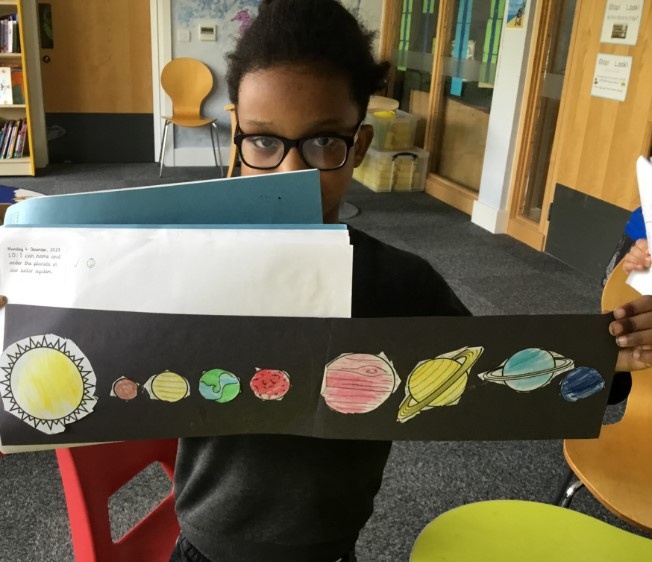
“I loved doing Space Day where we had to order the planets. I can remember all of them because we came up with a rhyme. It was so fun to do a whole day of Science and not be interrupted by any other lessons. I liked colouring in the planets.”
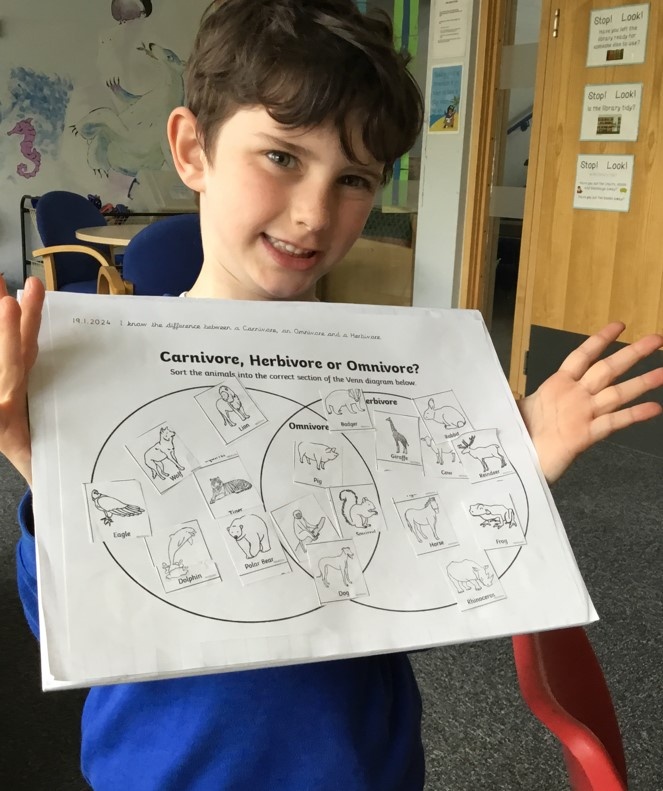
“This is my work where we learnt about animals that eat meat and eat leaves. My teacher helped me cut out the animals.”
Examples Of Learning
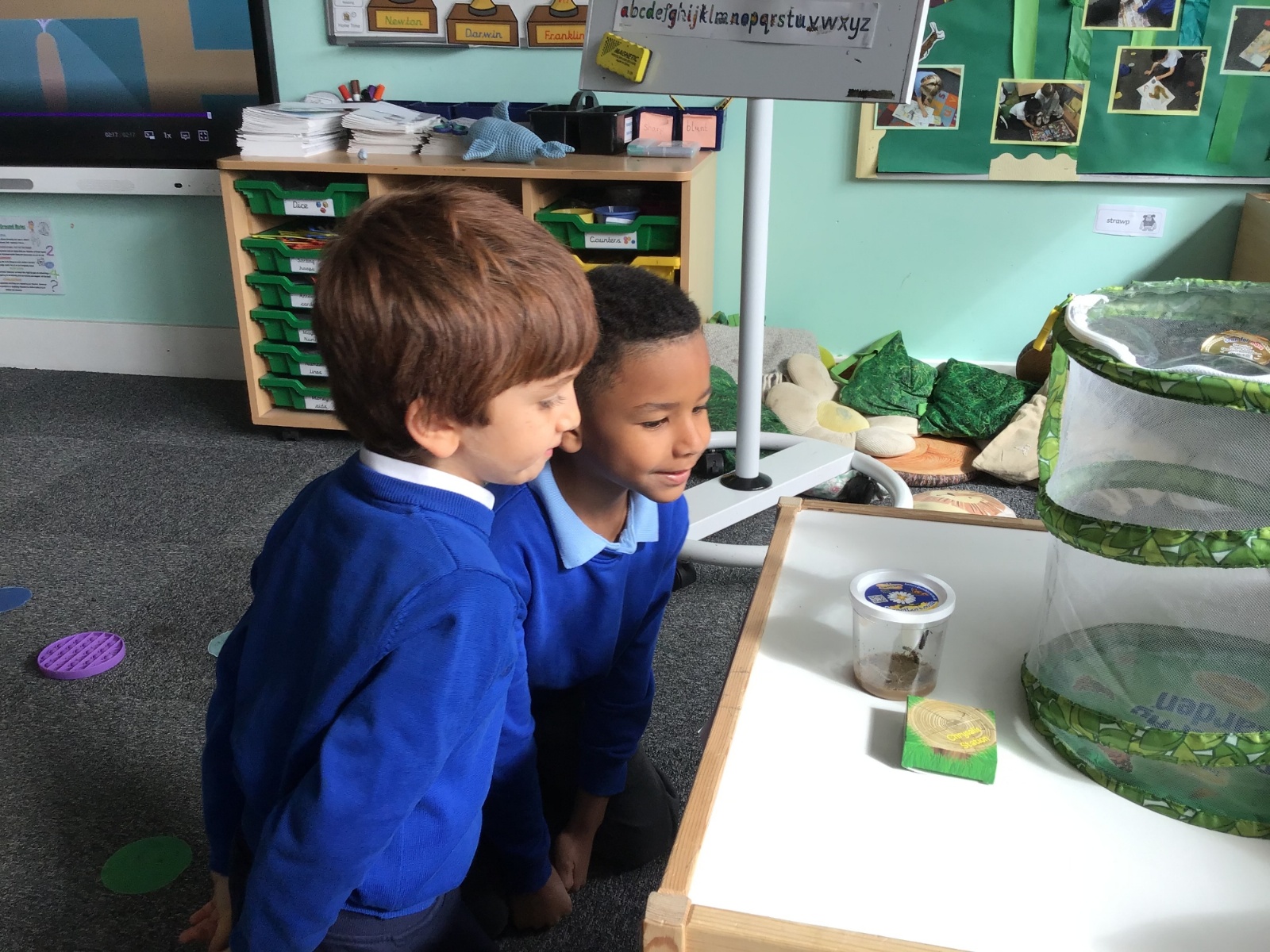
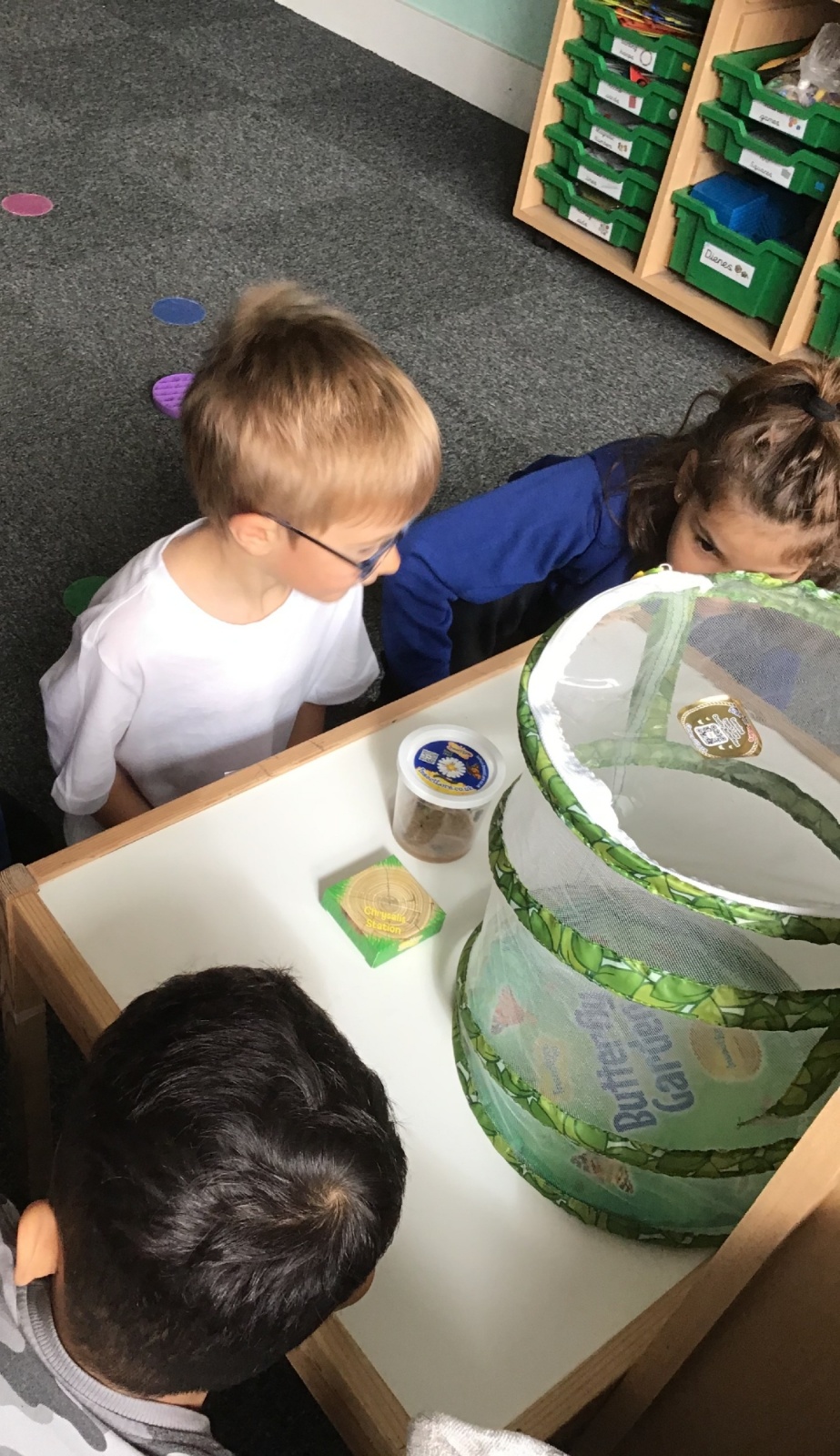
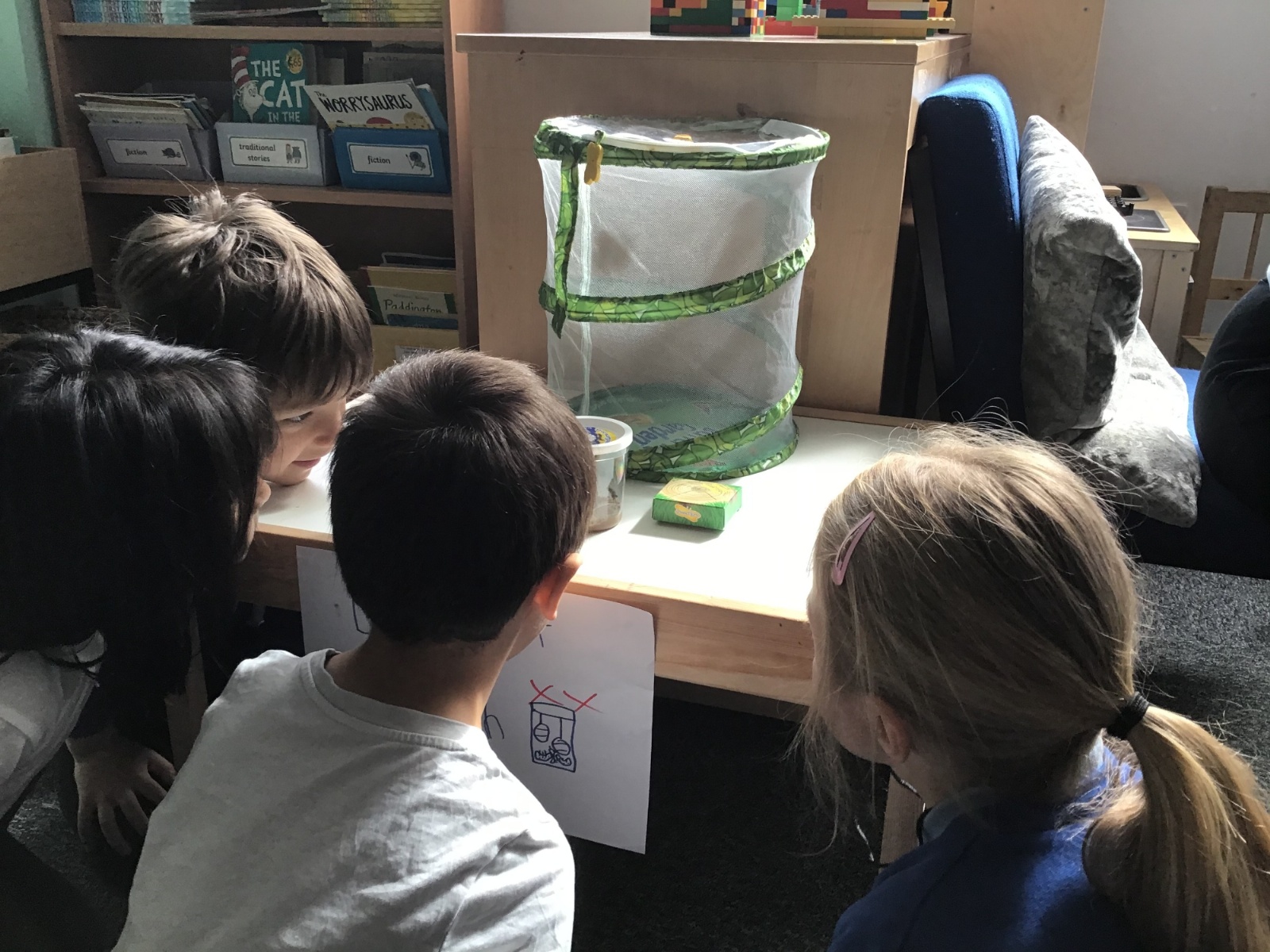
Year 1 were very excited to meet the newest members Dolphin Class...five tiny caterpillars! We have discussed what changes we might see as they grow and will be learning more about their life cycle over the next few weeks so that we can write an explanation text all about it.
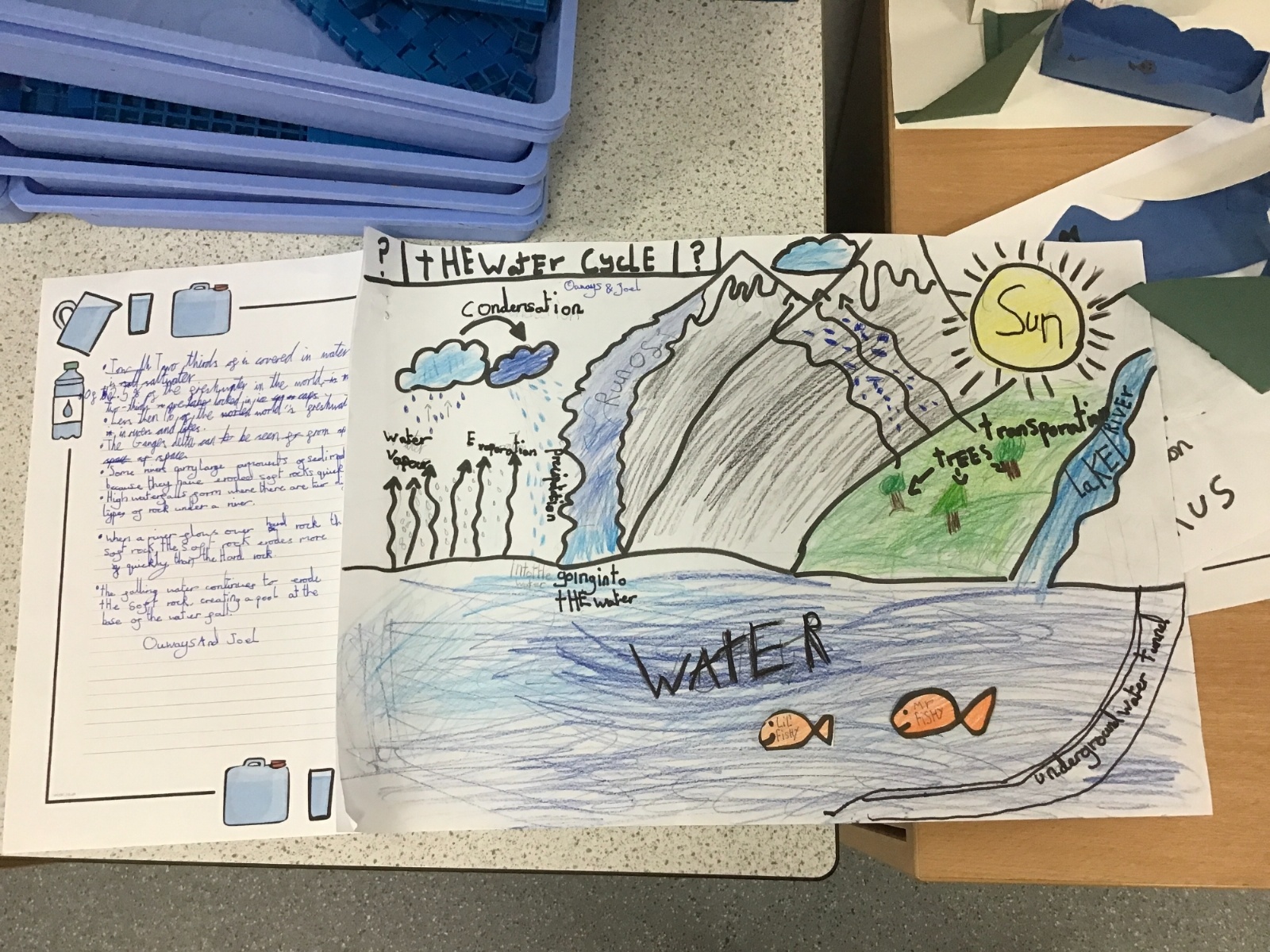
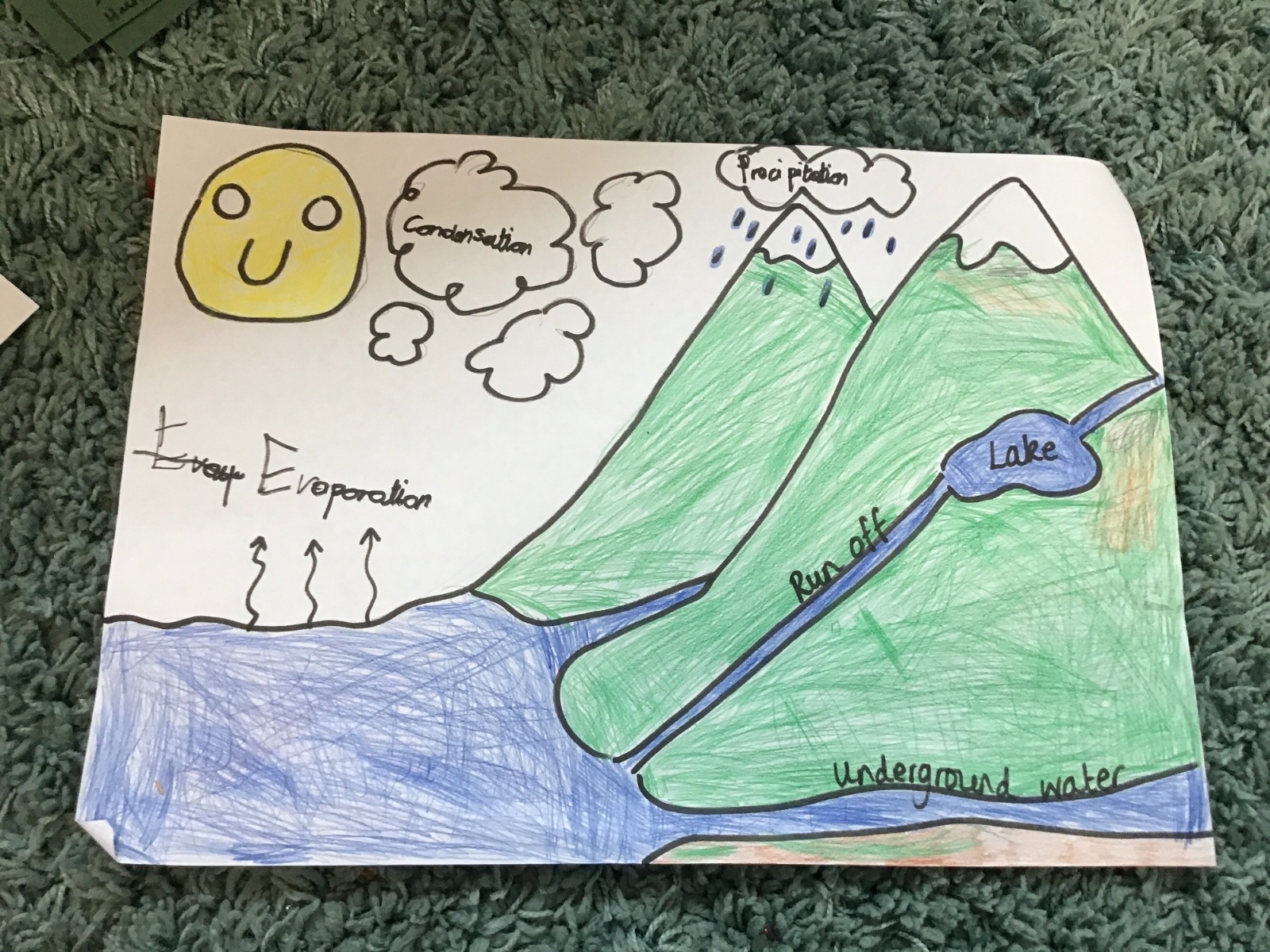
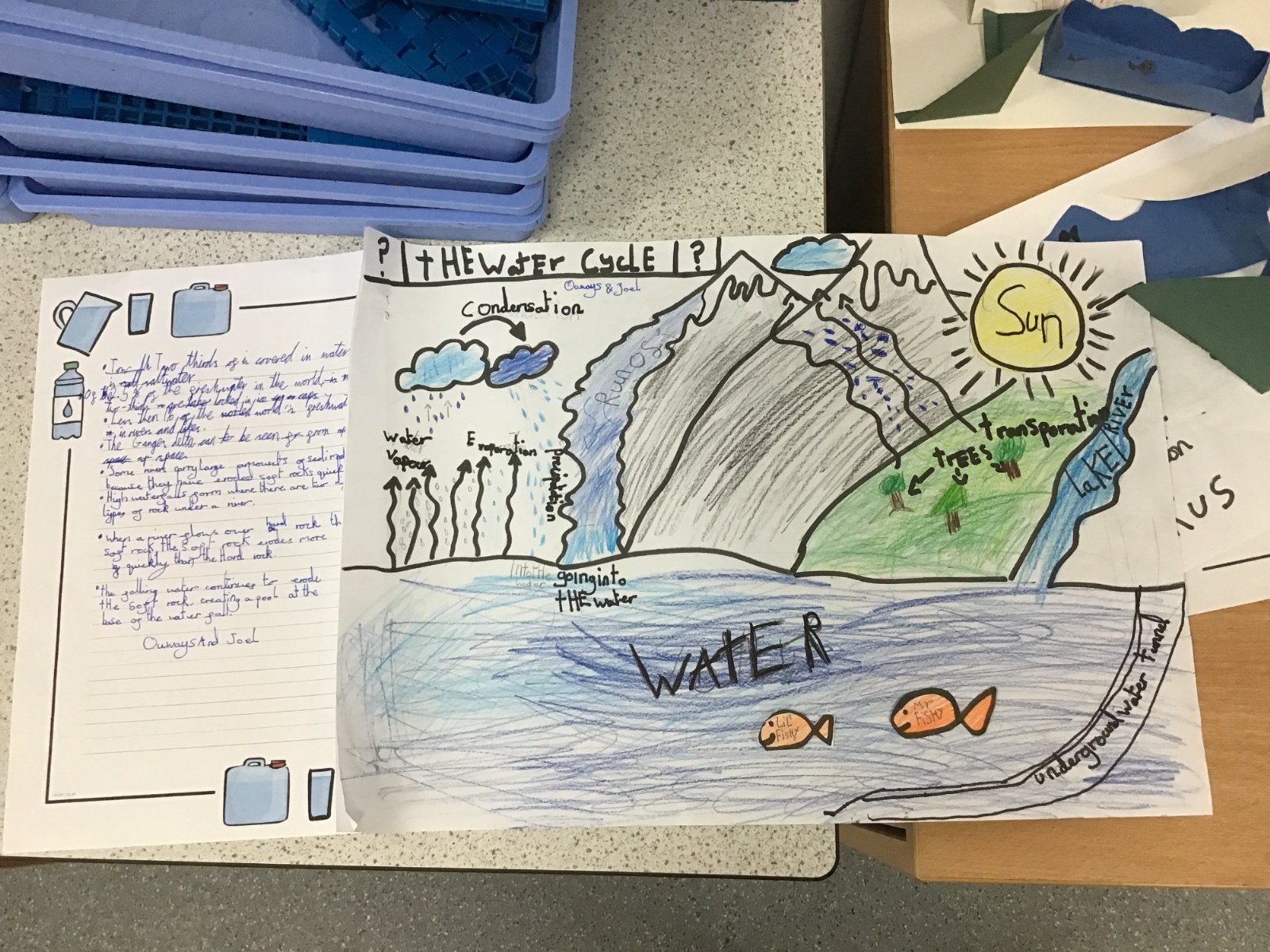
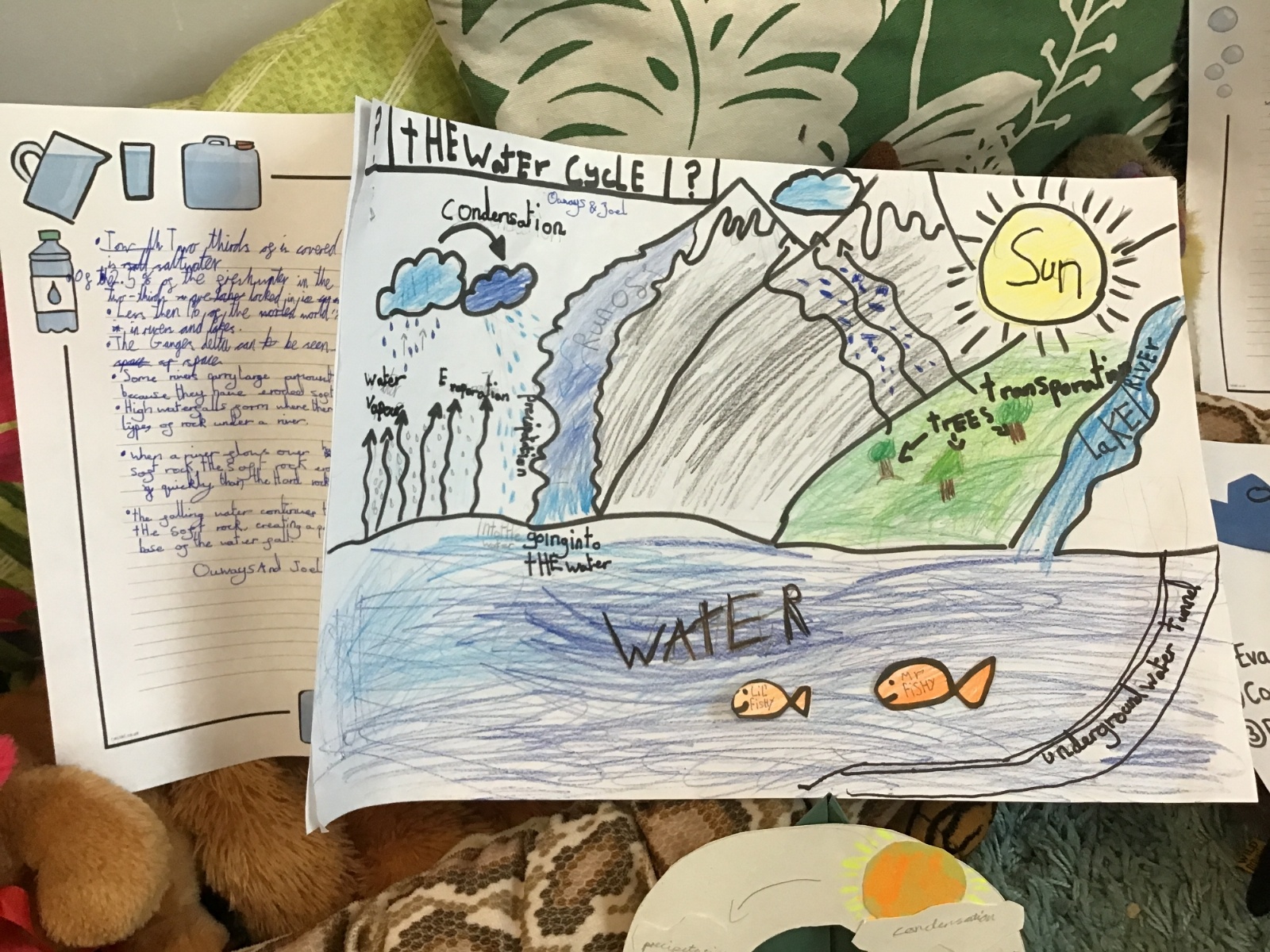
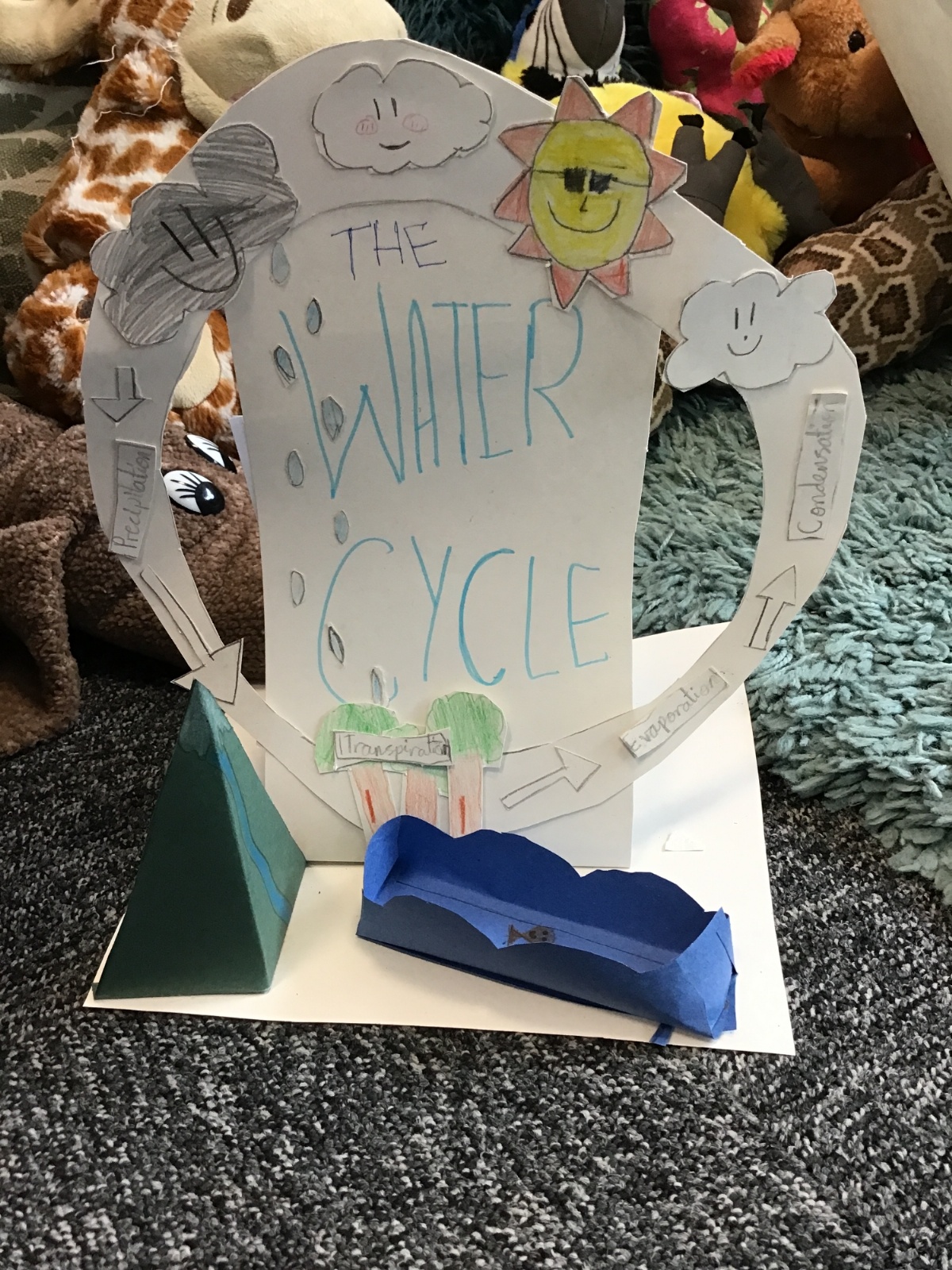
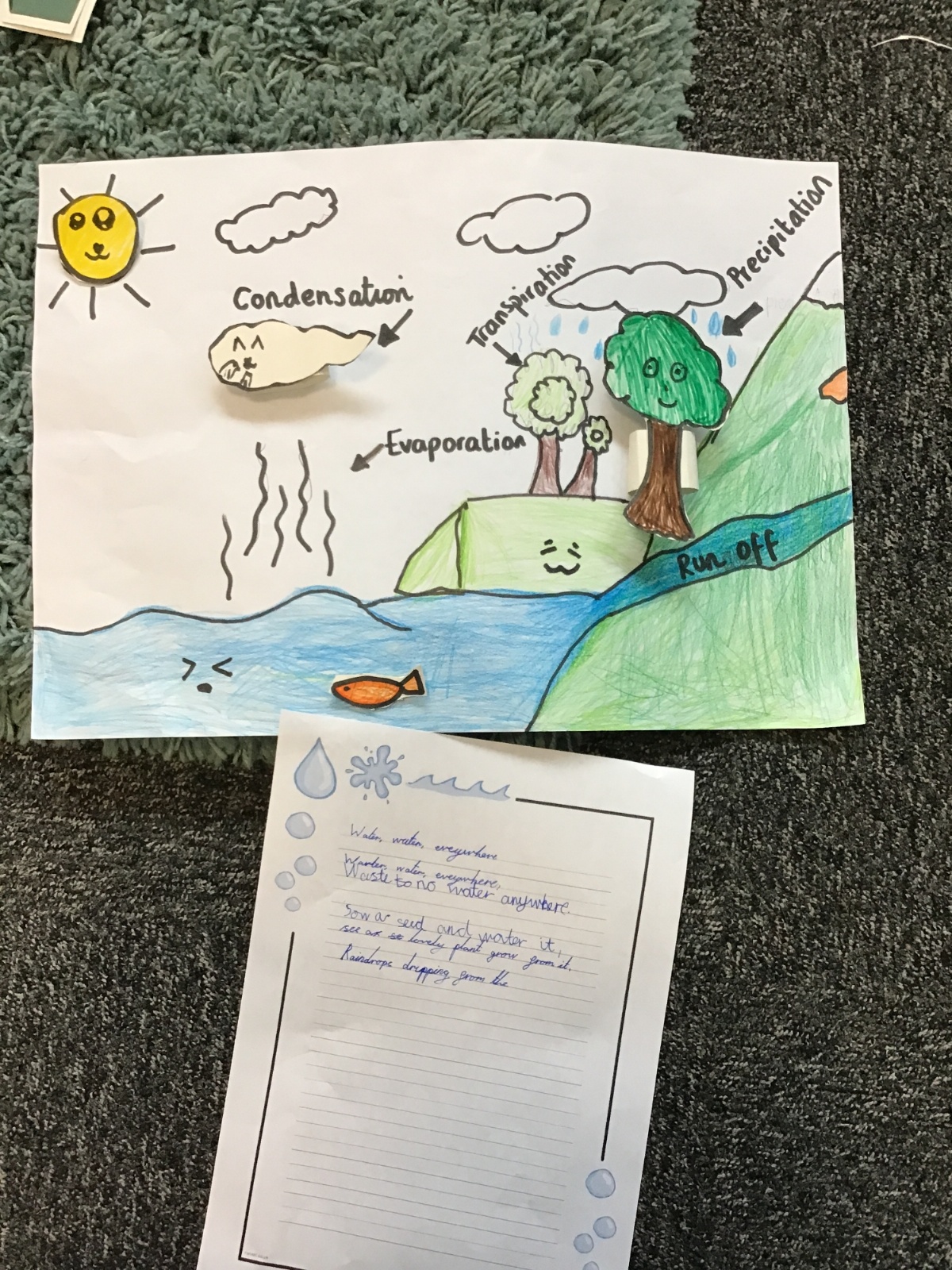
Year 4 have been learning all about the 'Water Cycle' in our 'States of Matter' science unit. The children now understand how the water on our planet is reused over and over again. They loved the fact that the water on our planet today is the same water from millions of years ago! They created some wonderful posters and presentations to show the Year 3 class.
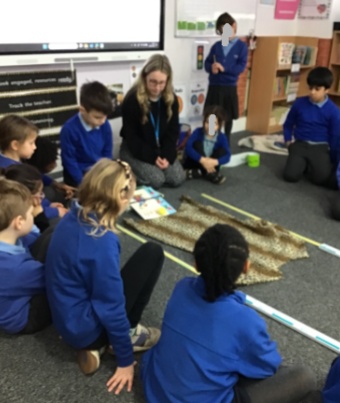
In Science, Toucan Class have been investigating forces and conducted an investigation to find out whether the surface a ball rolls on impacts how far it rolls. They discovered that the smoother the surface is the further the ball rolls because there is less friction slowing the ball down.
.png)
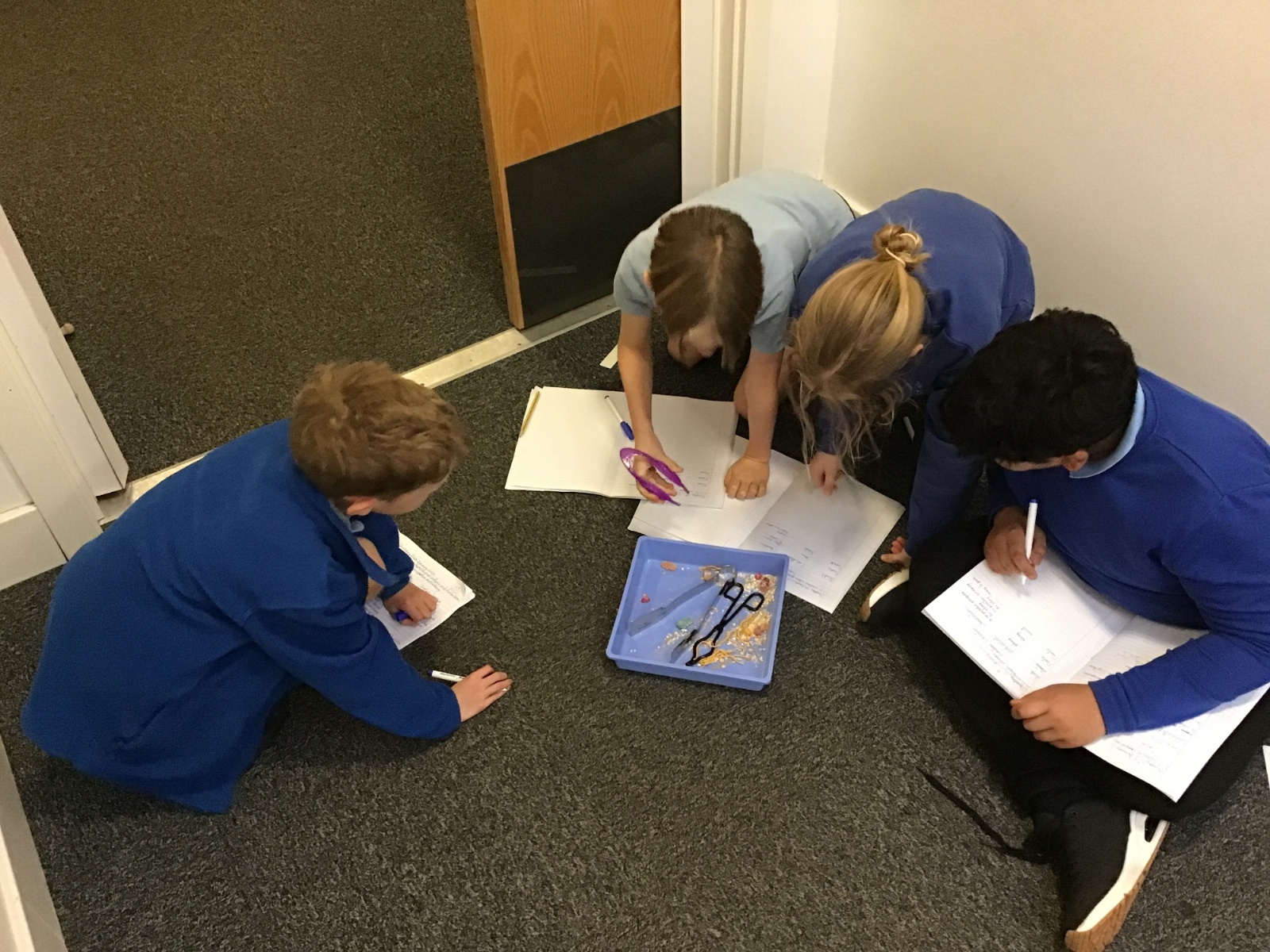
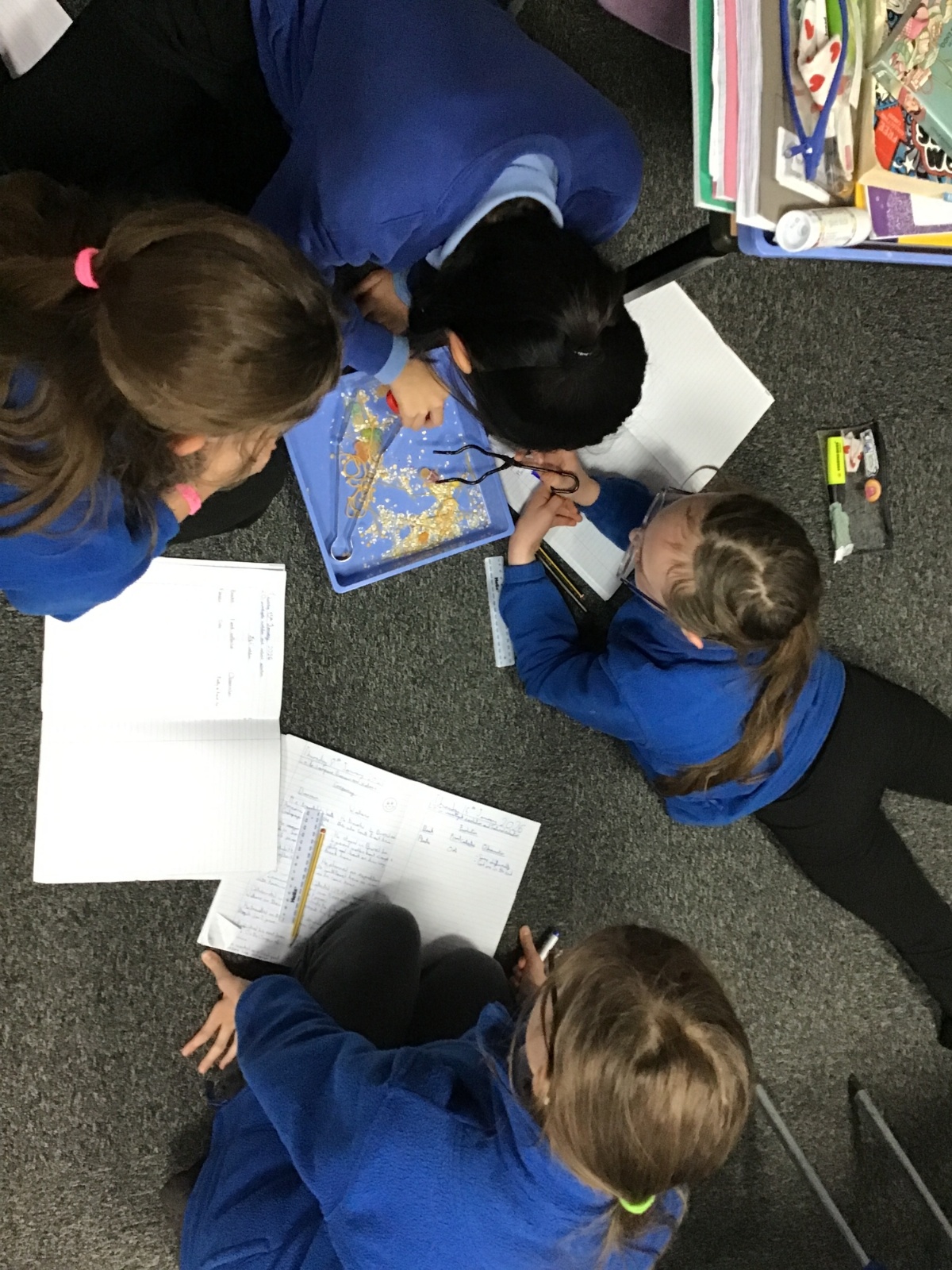
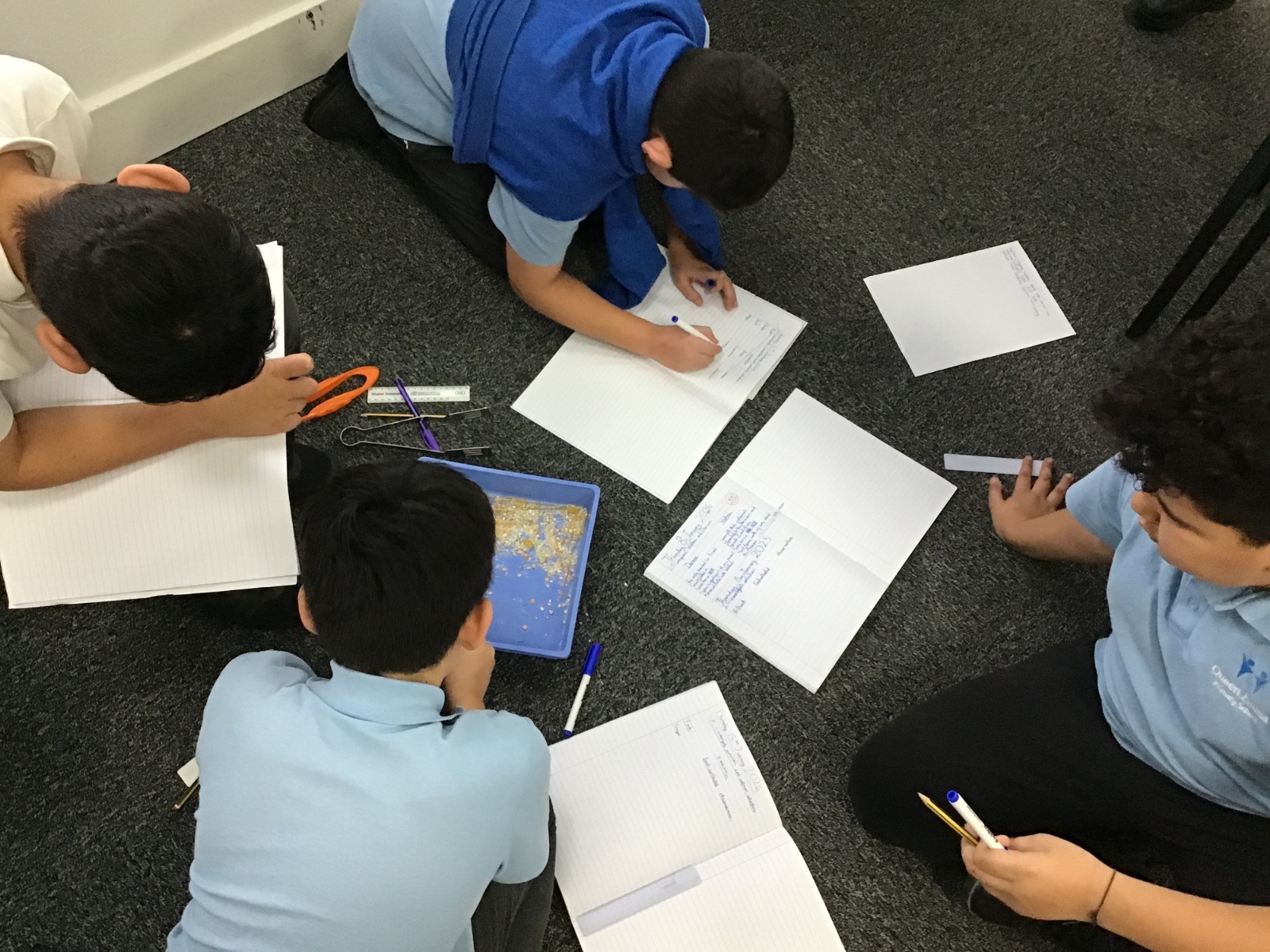
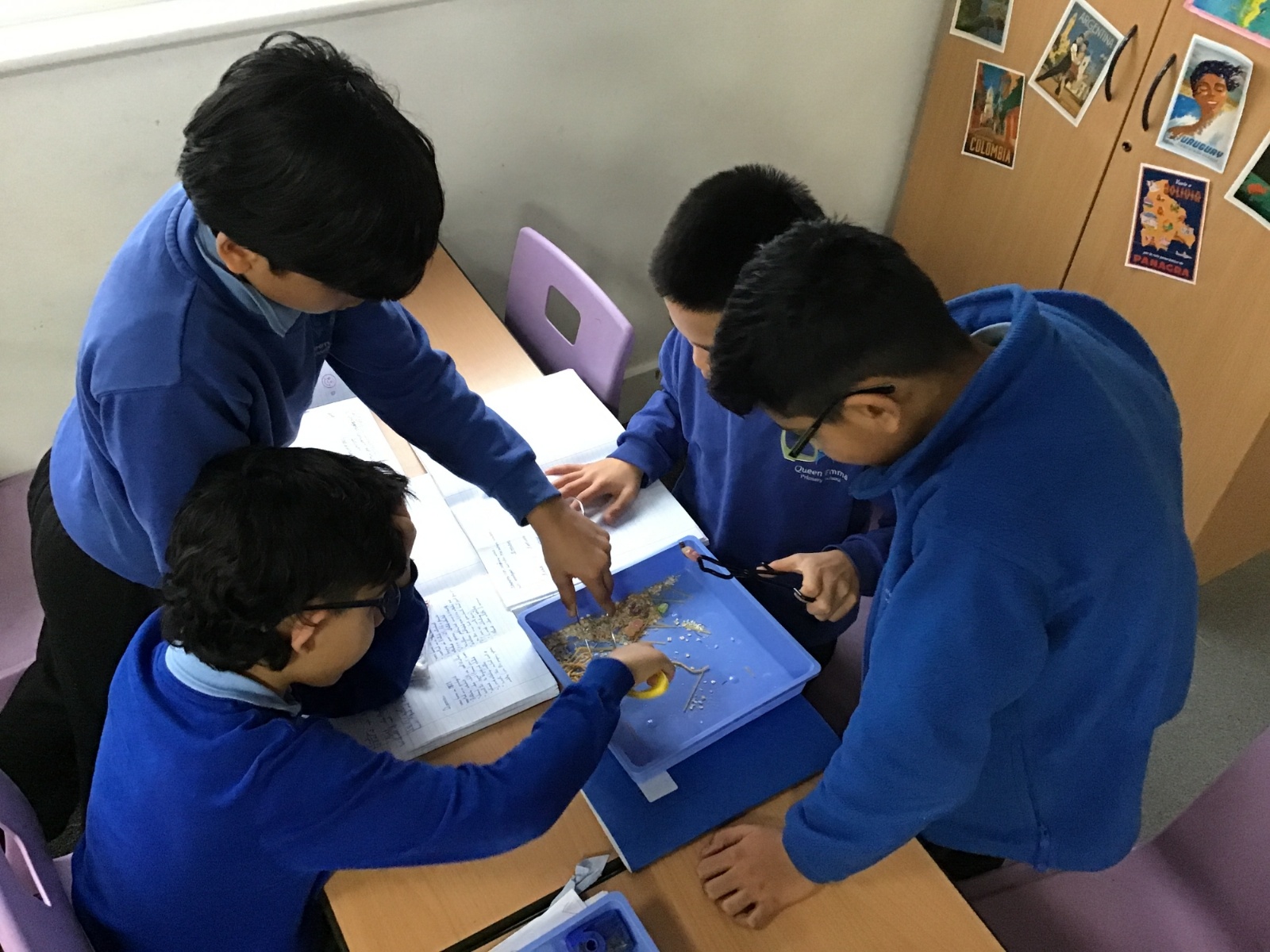
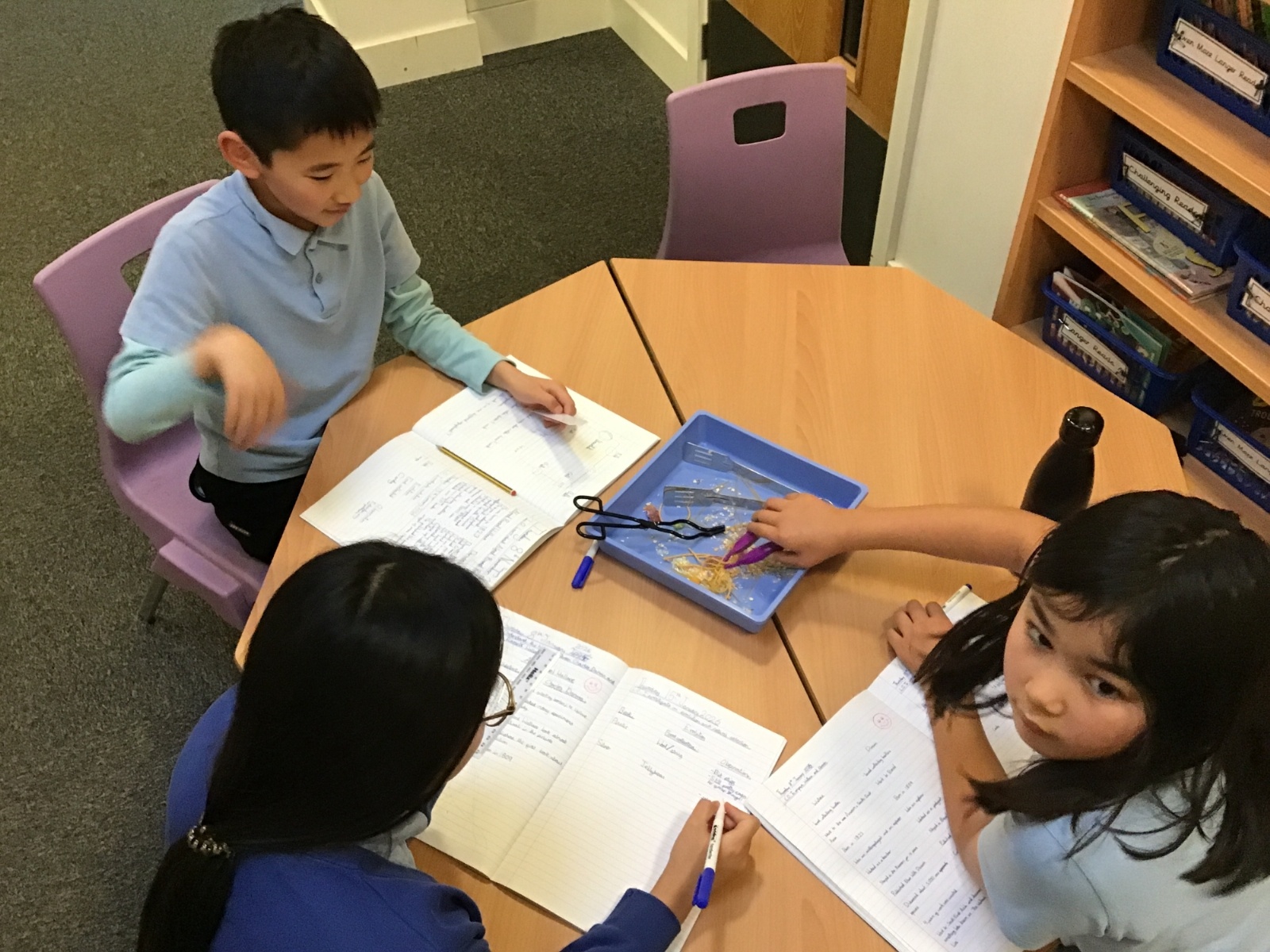
After discussing adaptation, we investigated the effect of “bird beaks” (different sizes and shapes of tongs) on how birds would need to adapt to changes in their environment so they could survive. We recorded some wonderful observations!
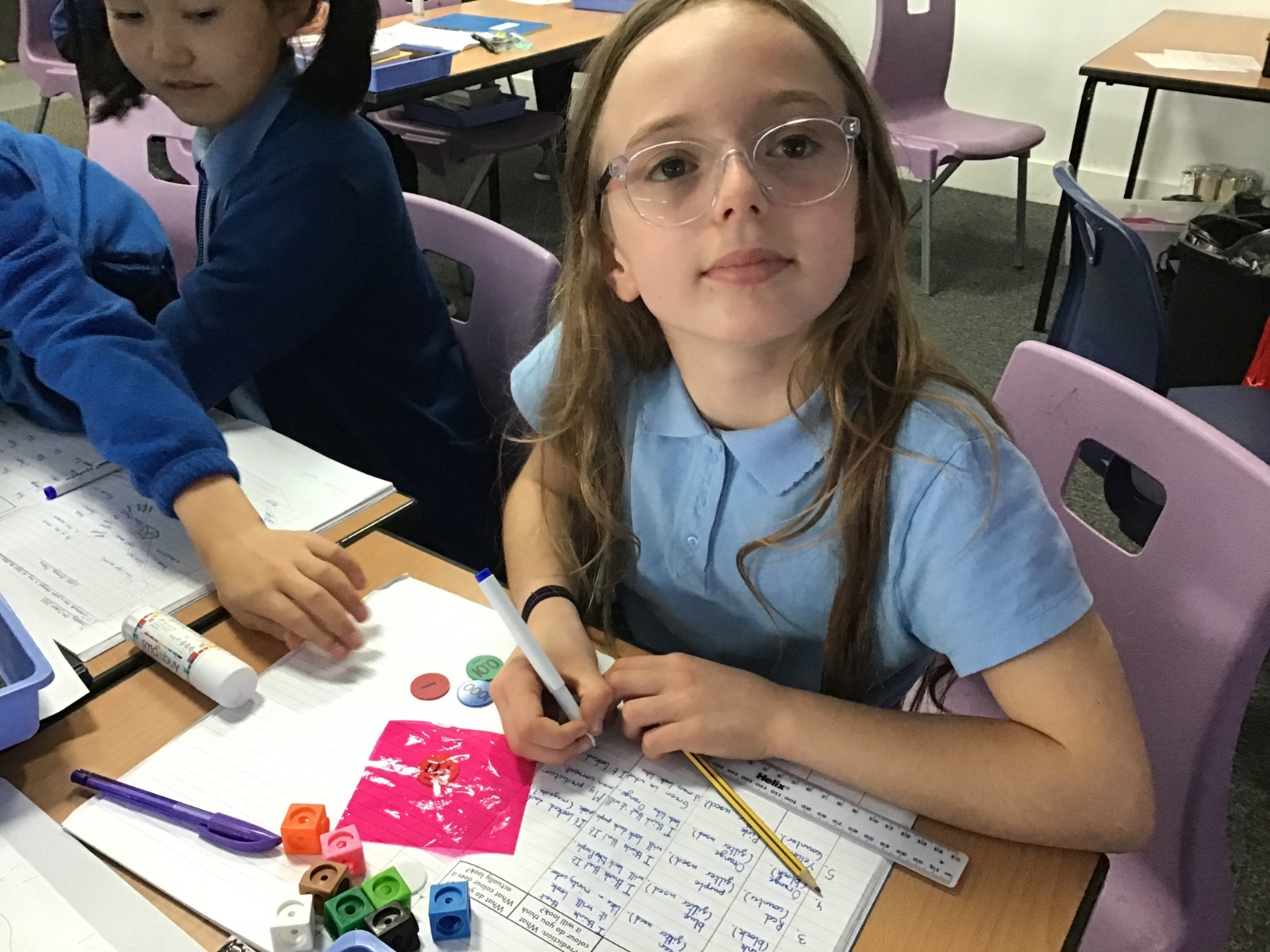
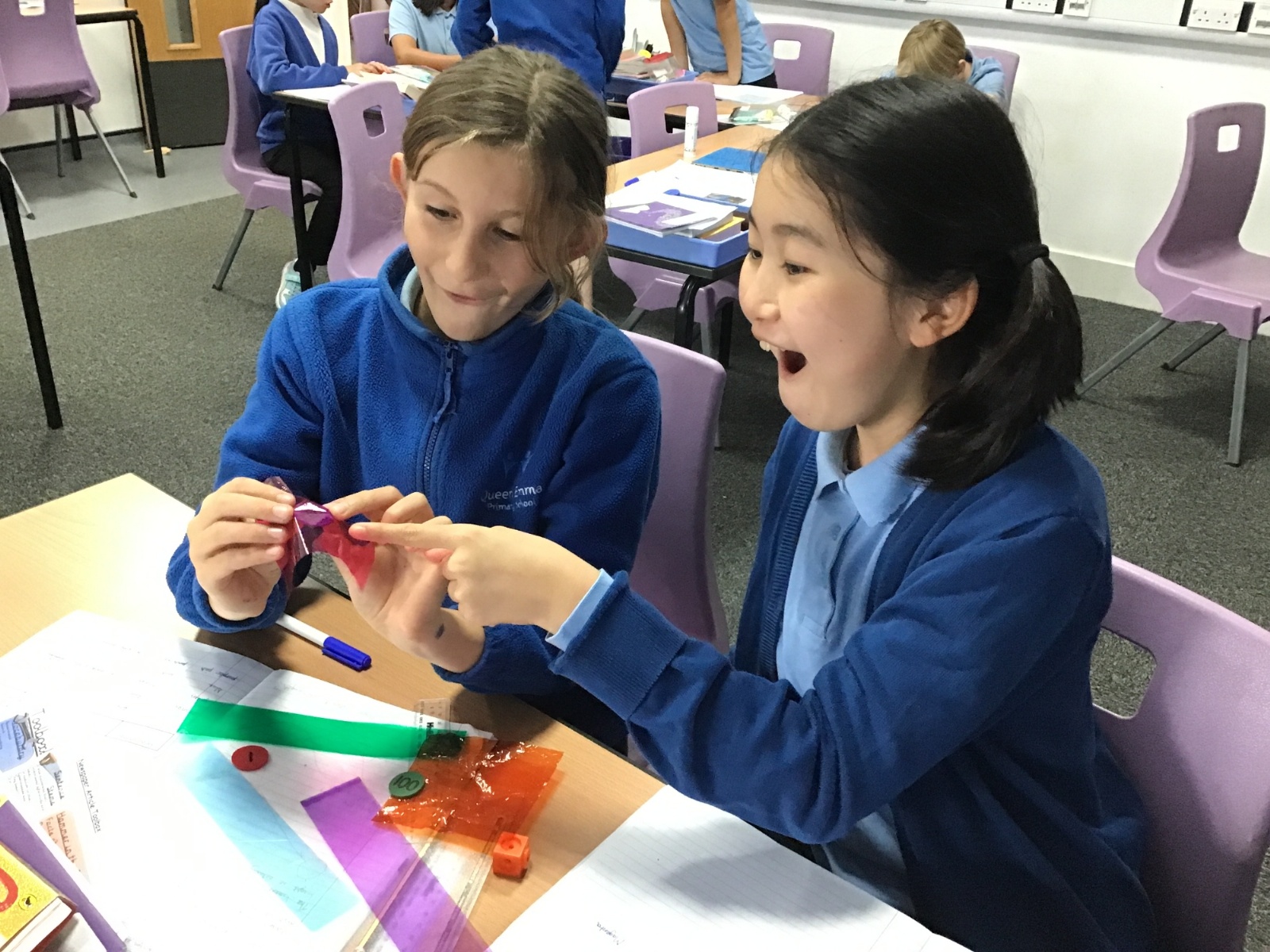
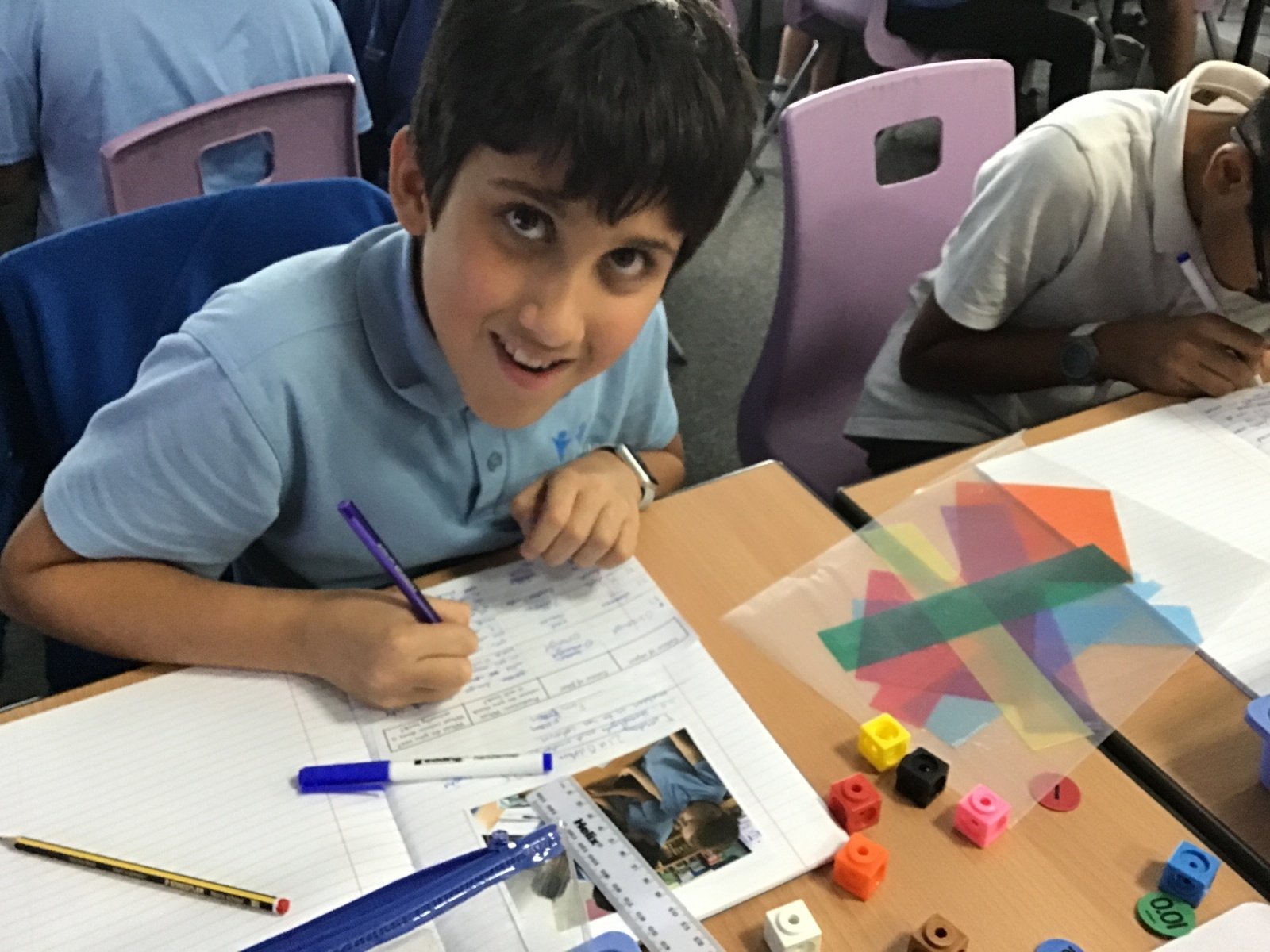
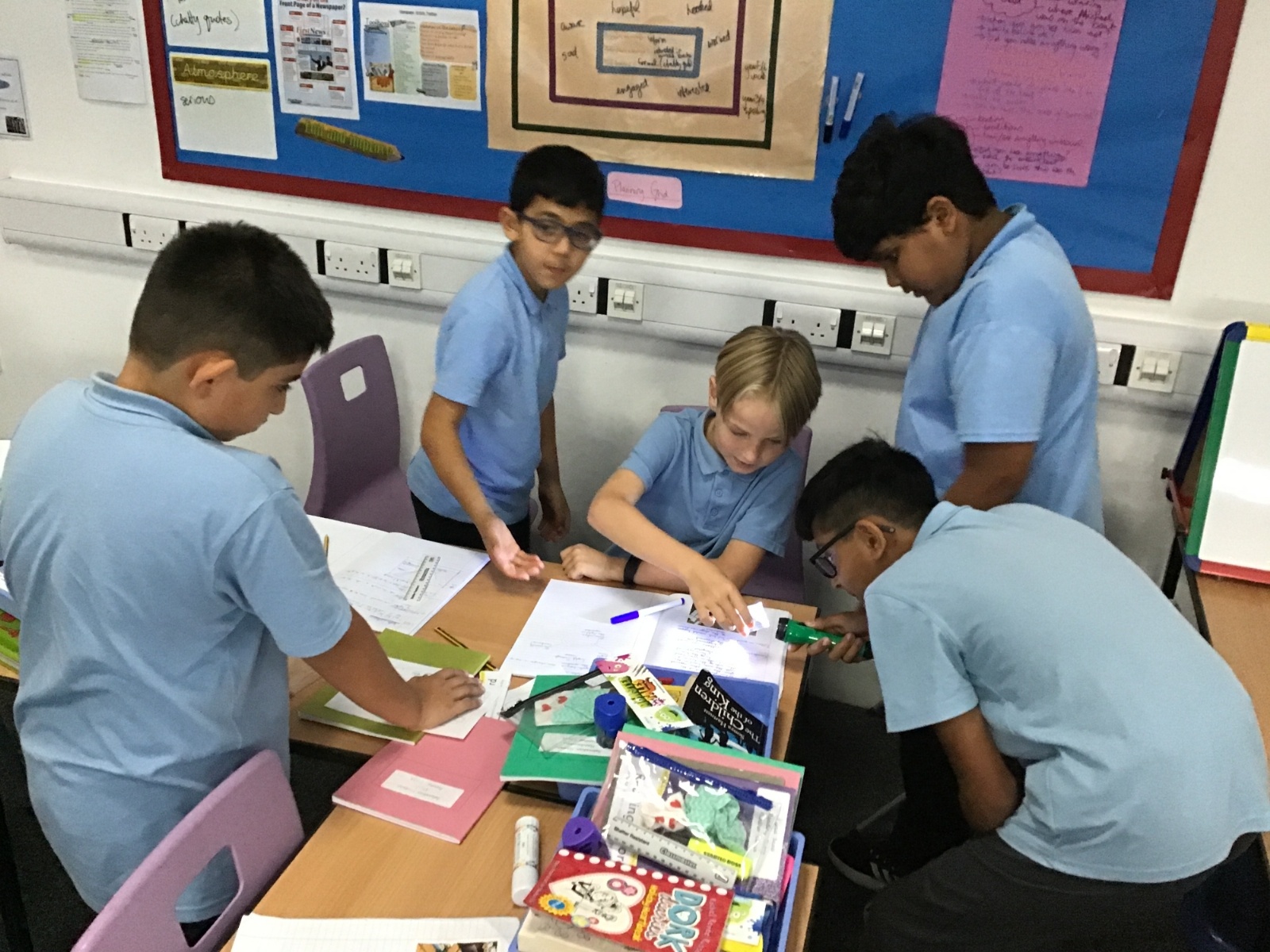
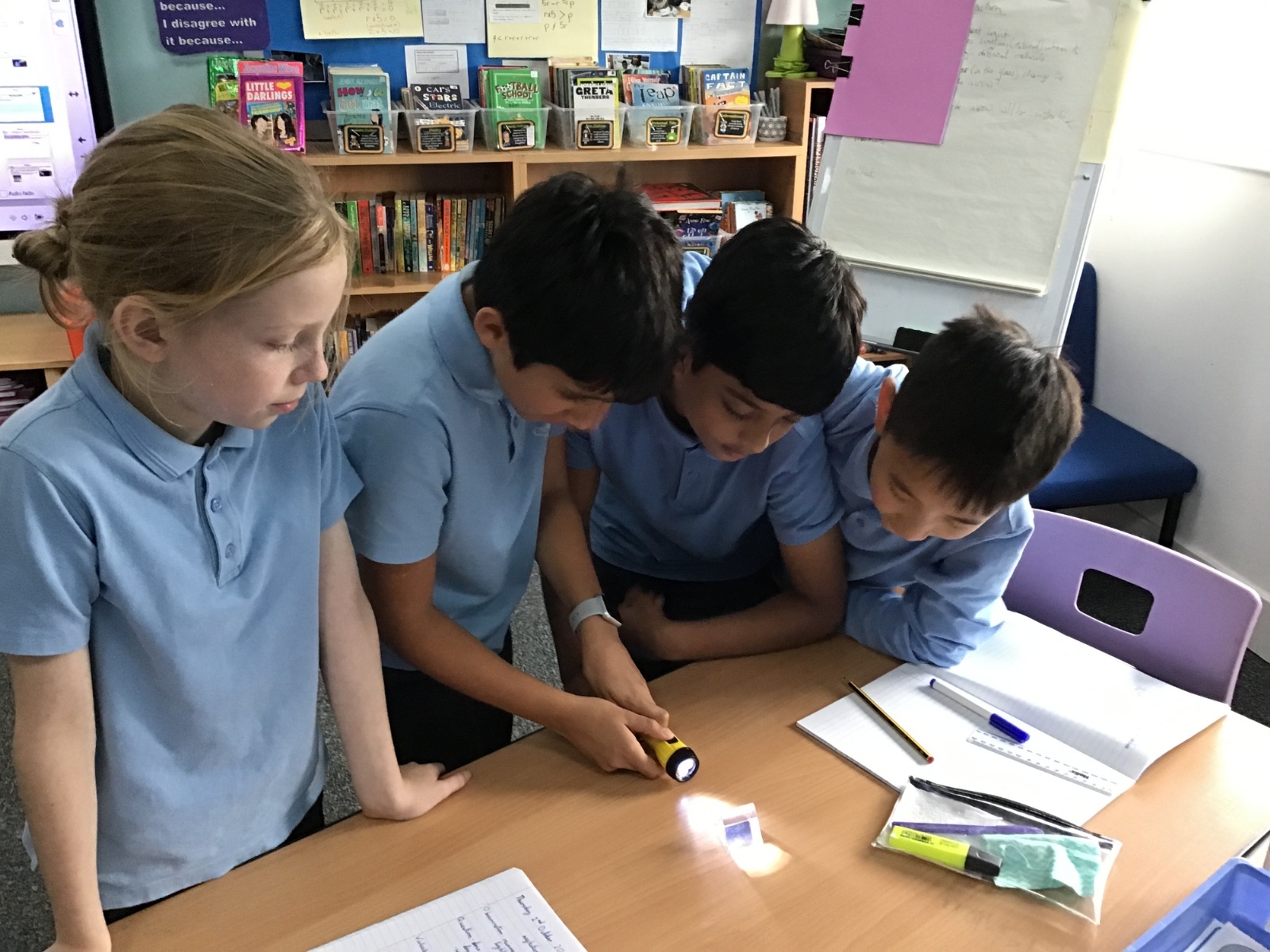
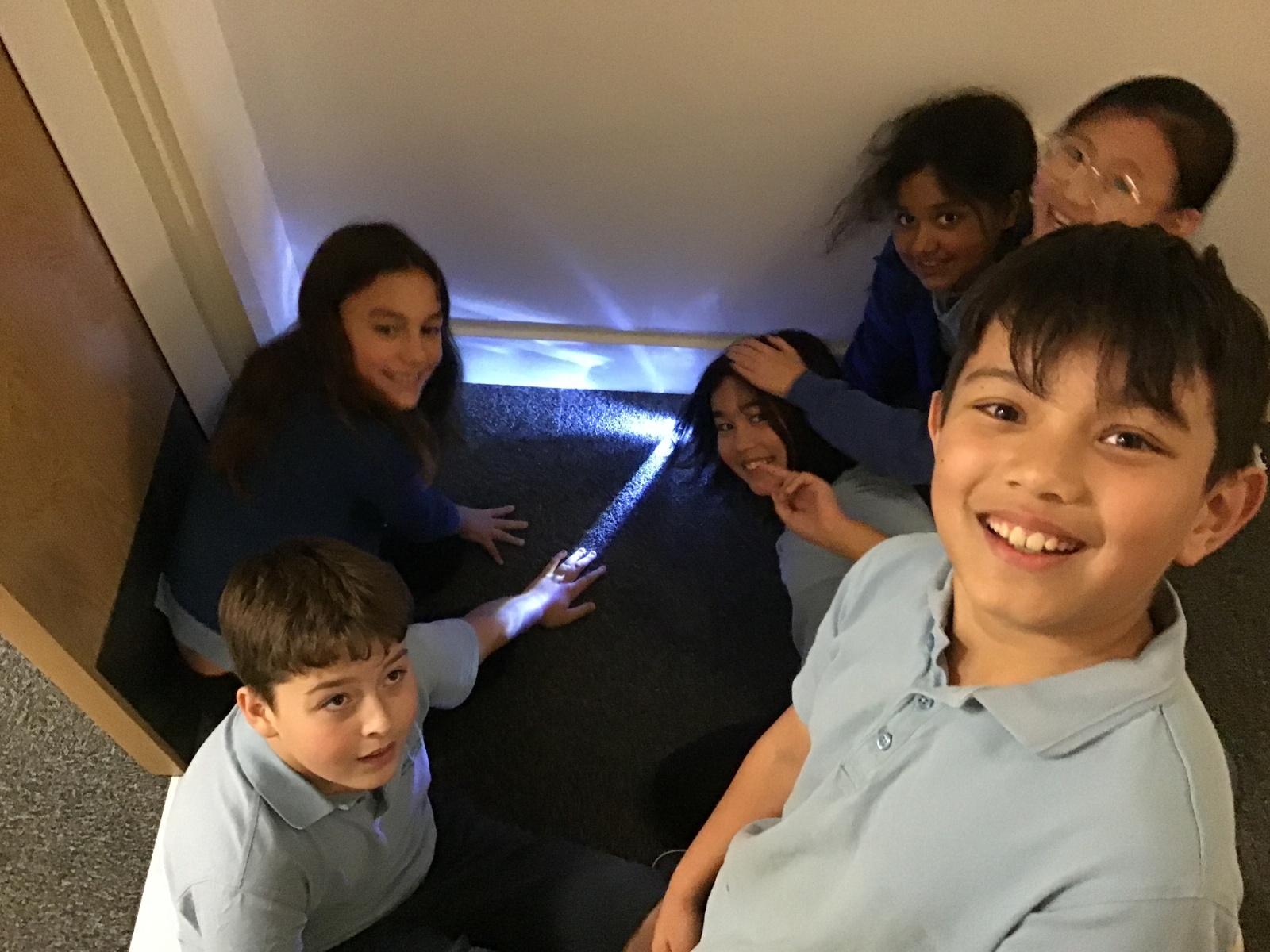
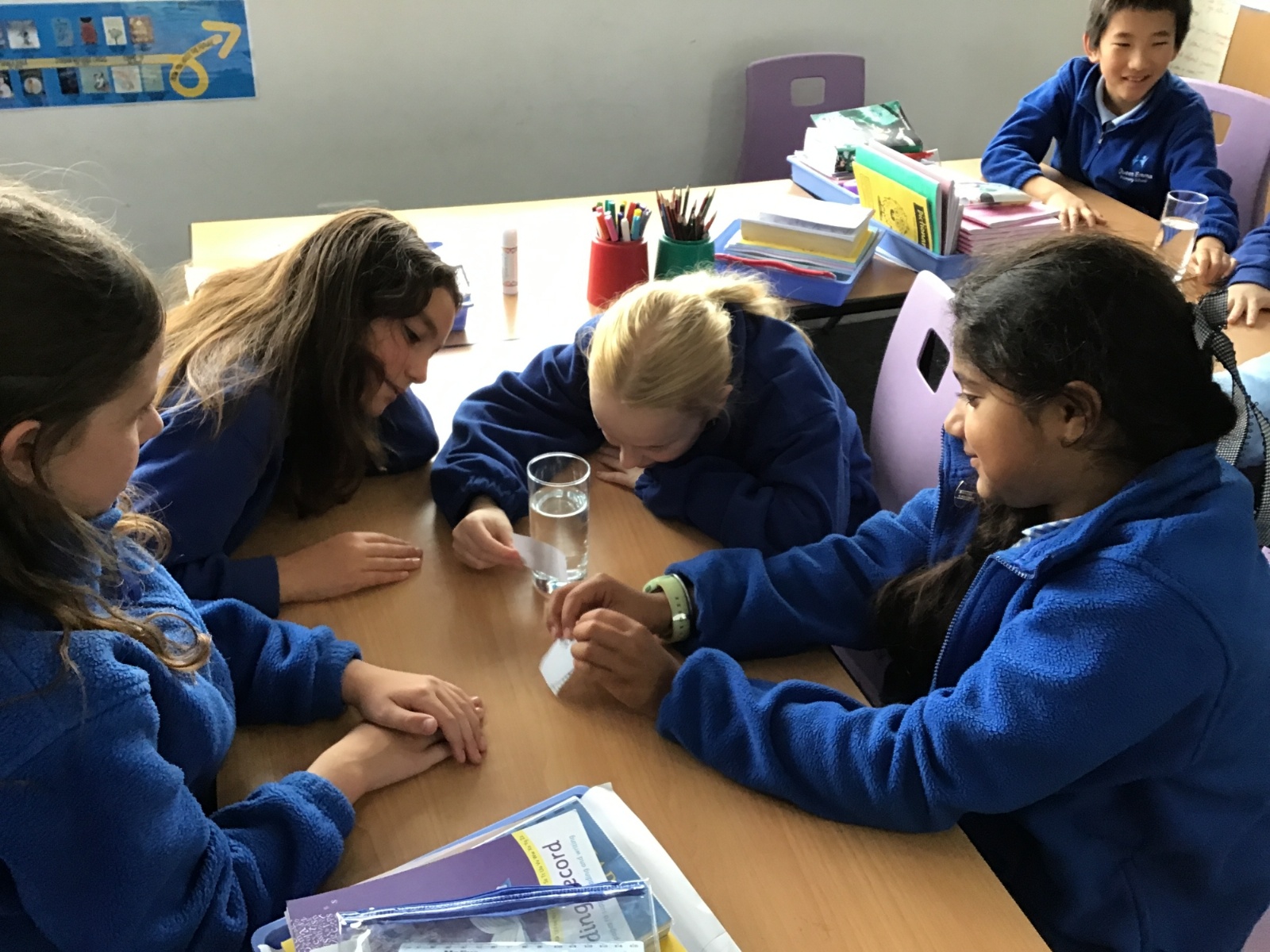
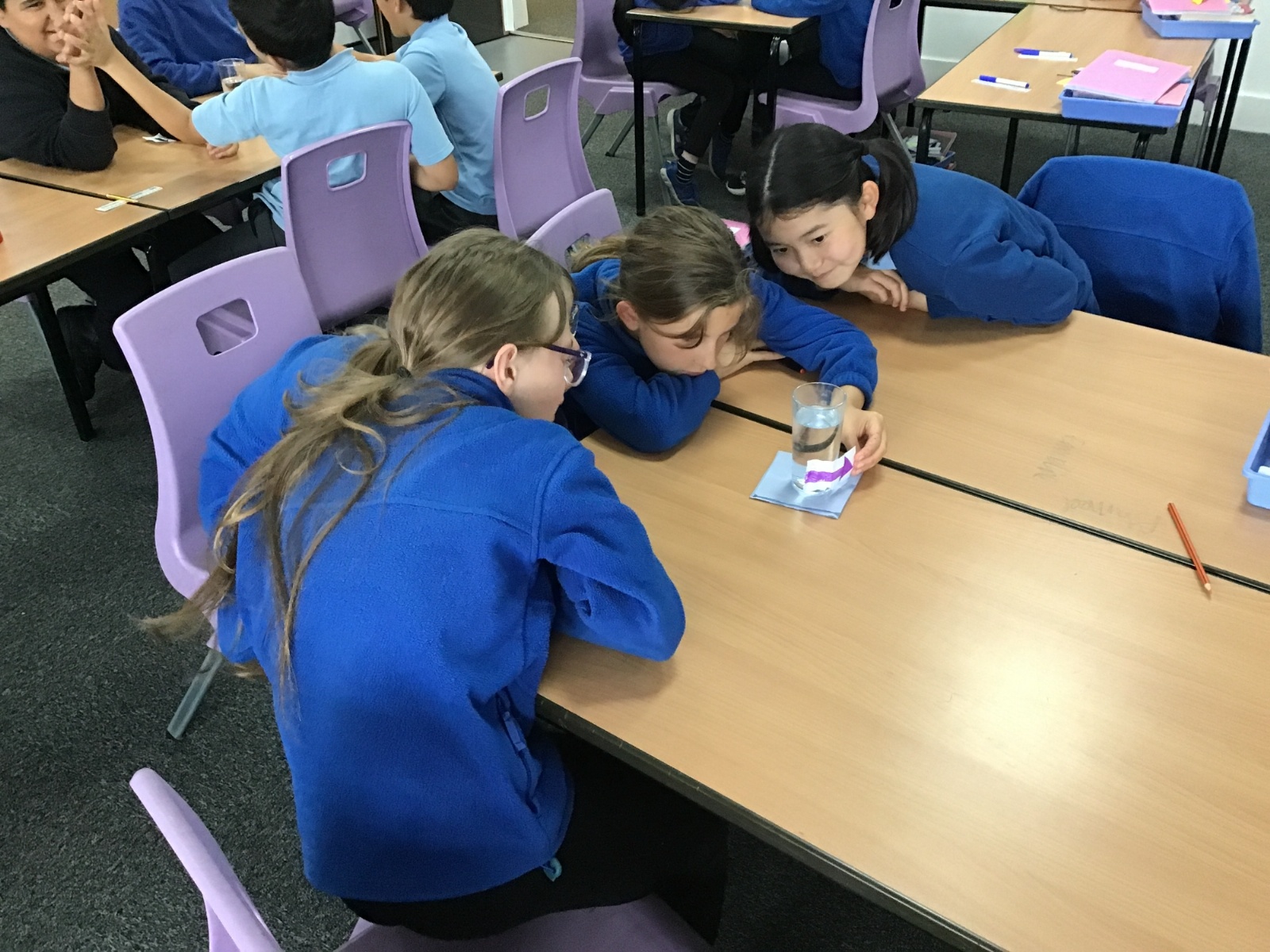
What happens to the arrow when it’s behind a glass of water? Year 6 found out in our refraction investigation. Blocks and filters have also helped us understand the properties of light.